5x
the risk of death from any cause in the least-fit adults compared with the fittest, in 122,007 adults
Mandsager et al., JAMA Network Open, 2018Six pillars. One method.
Women were told to do more cardio and stay small. The research says otherwise. The Tuff Girl Method is built on six areas of health that research supports, and we train every one of them.
Understand all six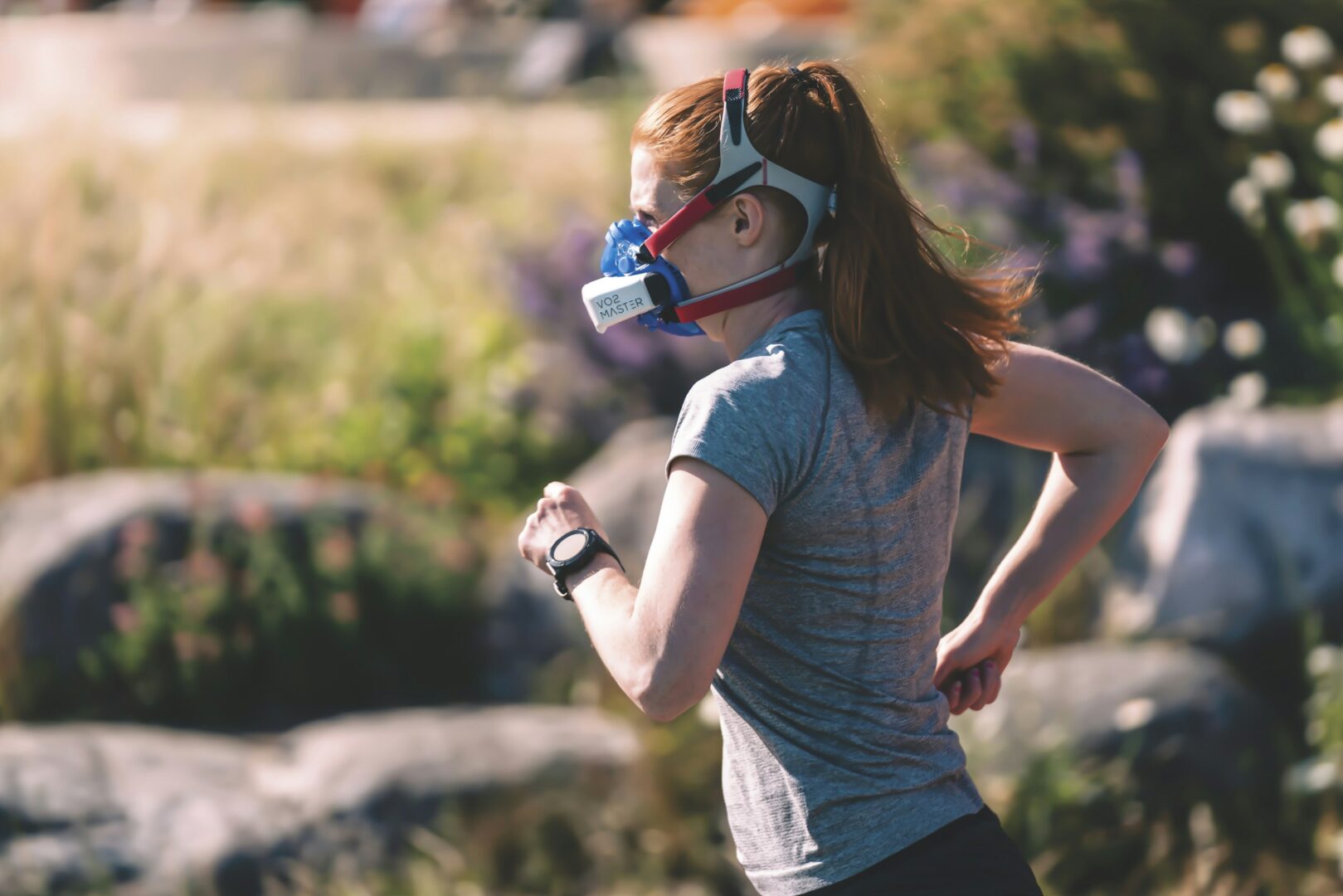
Cardiorespiratory Fitness
01
Pillar 1 of 6
The health number most women have never heard of.
VO2 max measures how well your heart, lungs and muscles take in and use oxygen. In large studies, it was one of the strongest markers of lower risk for heart disease, diabetes and death from any cause.
5x
the risk of death from any cause in the least-fit adults compared with the fittest, in 122,007 adults
Mandsager et al., JAMA Network Open, 201815%
lower risk of heart disease and cardiovascular events with each 1-MET step up in fitness, across 33 studies
Kodama et al., JAMA, 200954%
lower risk of diabetes in the fittest group compared with the least fit, in 46,979 adults
Juraschek et al., Diabetes Care, 2015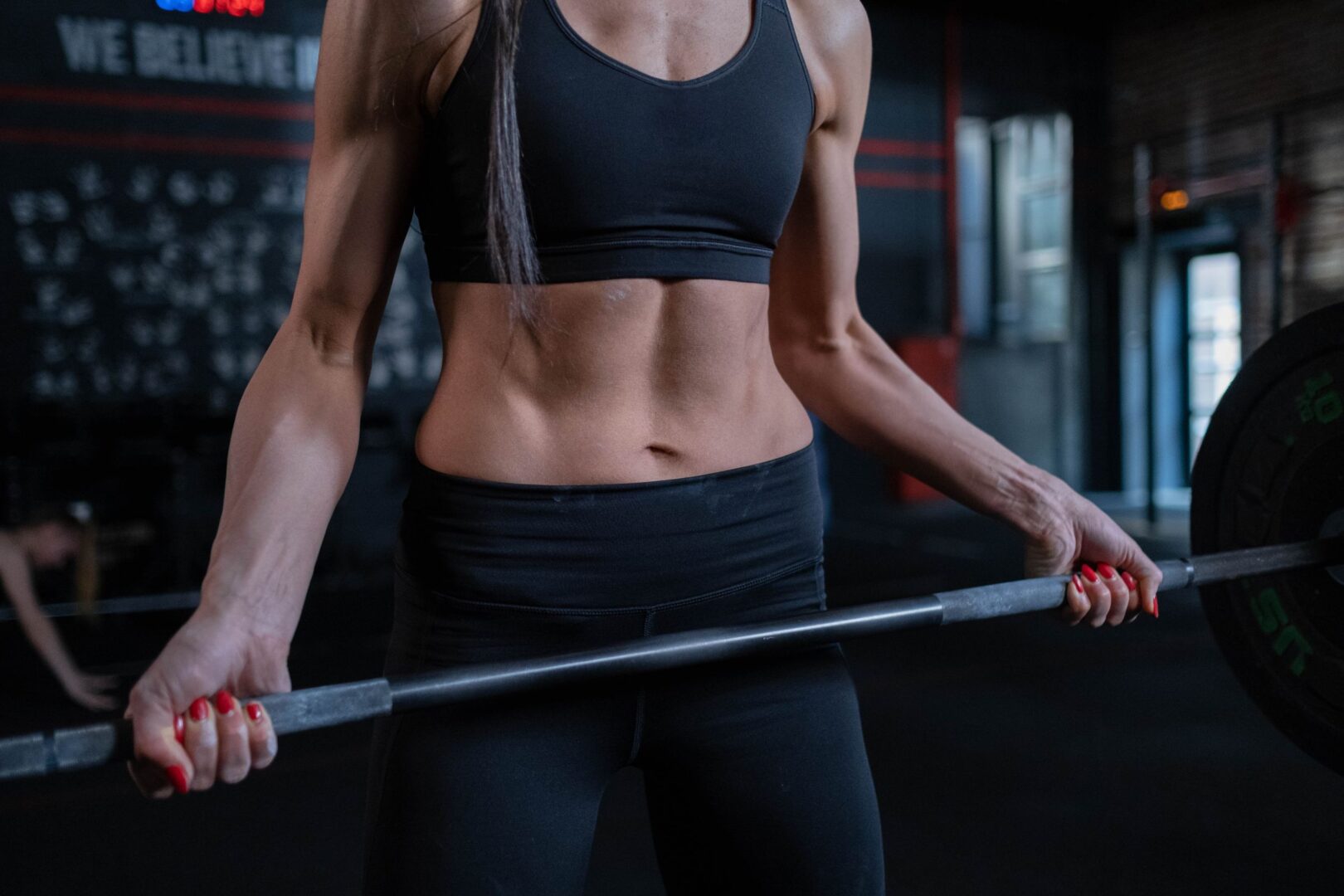
Muscle & Bone Strength
02
Pillar 2 of 6
Why muscle may be the most important thing you build after 30.
Muscle makes up about a third of your body, and bone is living tissue. Both respond to load, and both decline with age, with a sharp drop in bone density around menopause.
16%
higher risk of death from any cause for every 5 kg lower grip strength, in 139,691 adults across 17 countries
Leong et al., The Lancet, 201529%
lower risk of death in women who did 20 to 59 minutes of strength training a week than in women who did none, in 28,879 women
Kamada et al., JAHA, 20177.4%
of spine bone density lost in the 3 years around the last period, in 862 women
Greendale et al., JBMR, 2012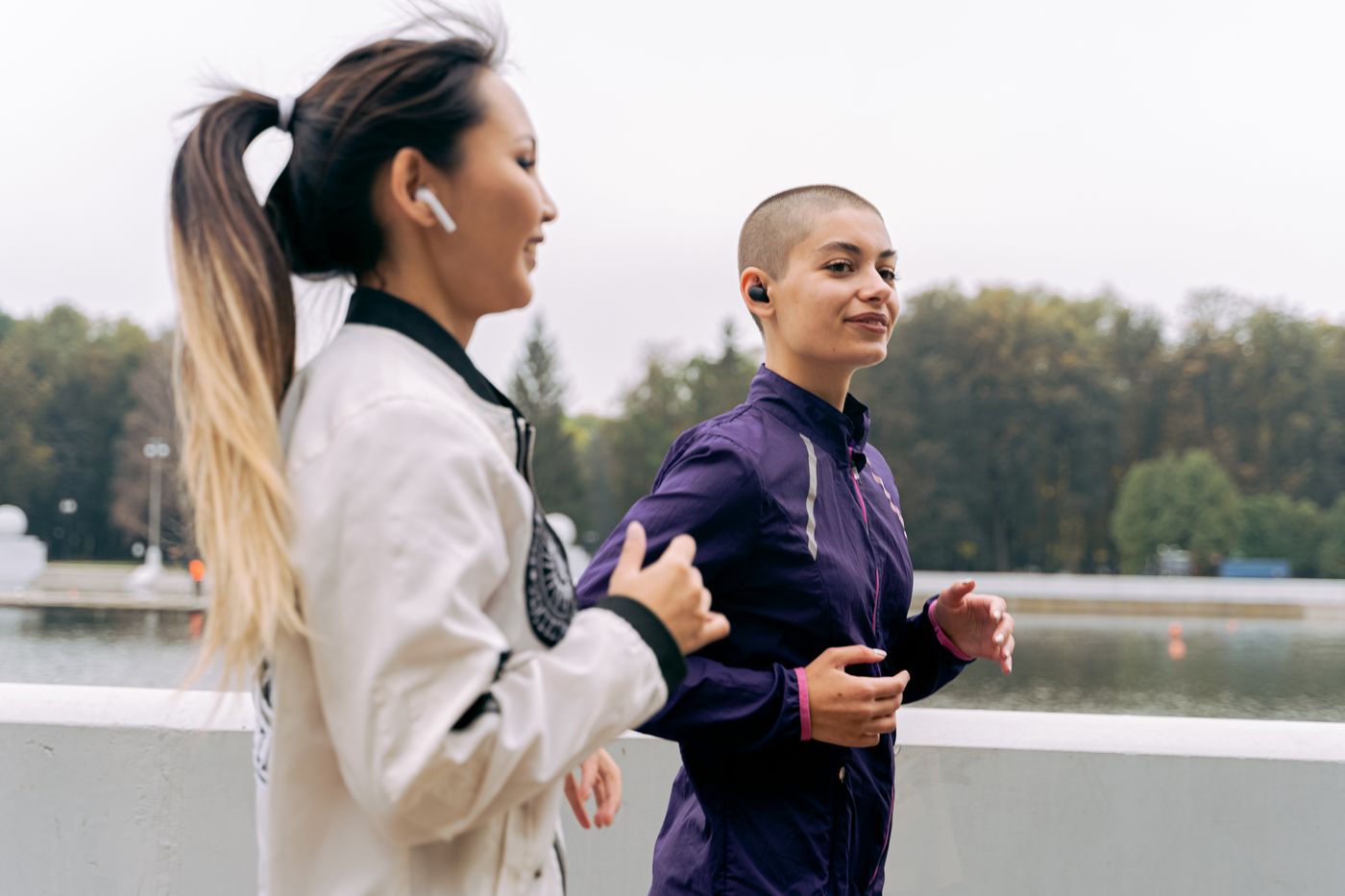
Mind, Community & Daily Movement
03
Pillar 3 of 6
What the world’s longest-lived people do every day.
Fitness lasts when it’s part of a life you enjoy: moving through the day, and doing it alongside people who keep you showing up.
50%
greater likelihood of survival for people with stronger social relationships, across 148 studies
Holt-Lunstad et al., PLOS Medicine, 201053%
lower risk of death in adults taking about 10,900 steps a day than in those taking about 3,500, across 15 cohorts
Paluch et al., Lancet Public Health, 20228–10k
daily steps where the benefit levelled off for adults under 60 (6,000 to 8,000 for adults 60 and over)
Paluch et al., Lancet Public Health, 2022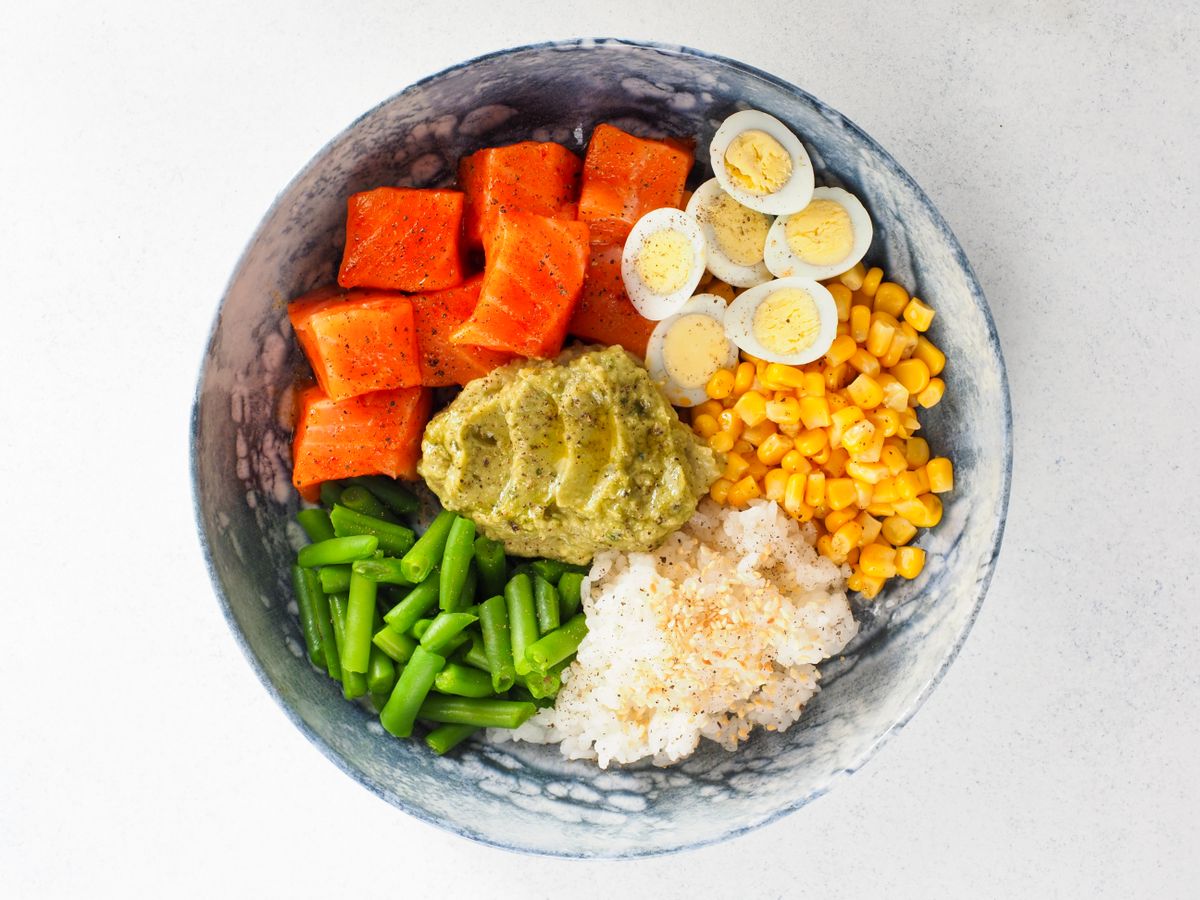
Nutrition & Metabolic Health
04
Pillar 4 of 6
There’s no perfect diet. There are the right numbers for your body.
Two women can eat the exact same meal and respond completely differently. That’s why the Tuff Girl Method doesn’t hand everyone a diet. Tracking your protein, carbs and fat shows you how your body responds, and consistency turns it into a way of life.
6.0 vs 5.3 kg
average weight change after 12 months on a healthy low-carb versus a healthy low-fat diet in 609 adults, a difference that wasn’t significant
Gardner et al., JAMA, 201823 → 15 min
daily time spent logging food fell from month 1 to month 6 in 142 adults, and those who lost 10% or more logged in more often
Harvey et al., Obesity, 2019
Sleep & Recovery
05
Pillar 5 of 6
Your progress happens while you rest.
Hard training only counts if you recover from it. Large studies link both too little and too much sleep with higher risk, and sleep experts agree on a clear minimum for adults.
12%
higher risk of death linked to habitually short sleep, across 16 studies and nearly 1.4 million people
Cappuccio et al., Sleep, 201030%
higher risk linked to habitually long sleep, in the same review
Cappuccio et al., Sleep, 20107+
hours of sleep a night recommended for adults by the American Academy of Sleep Medicine and Sleep Research Society
Watson et al., J Clin Sleep Med, 2015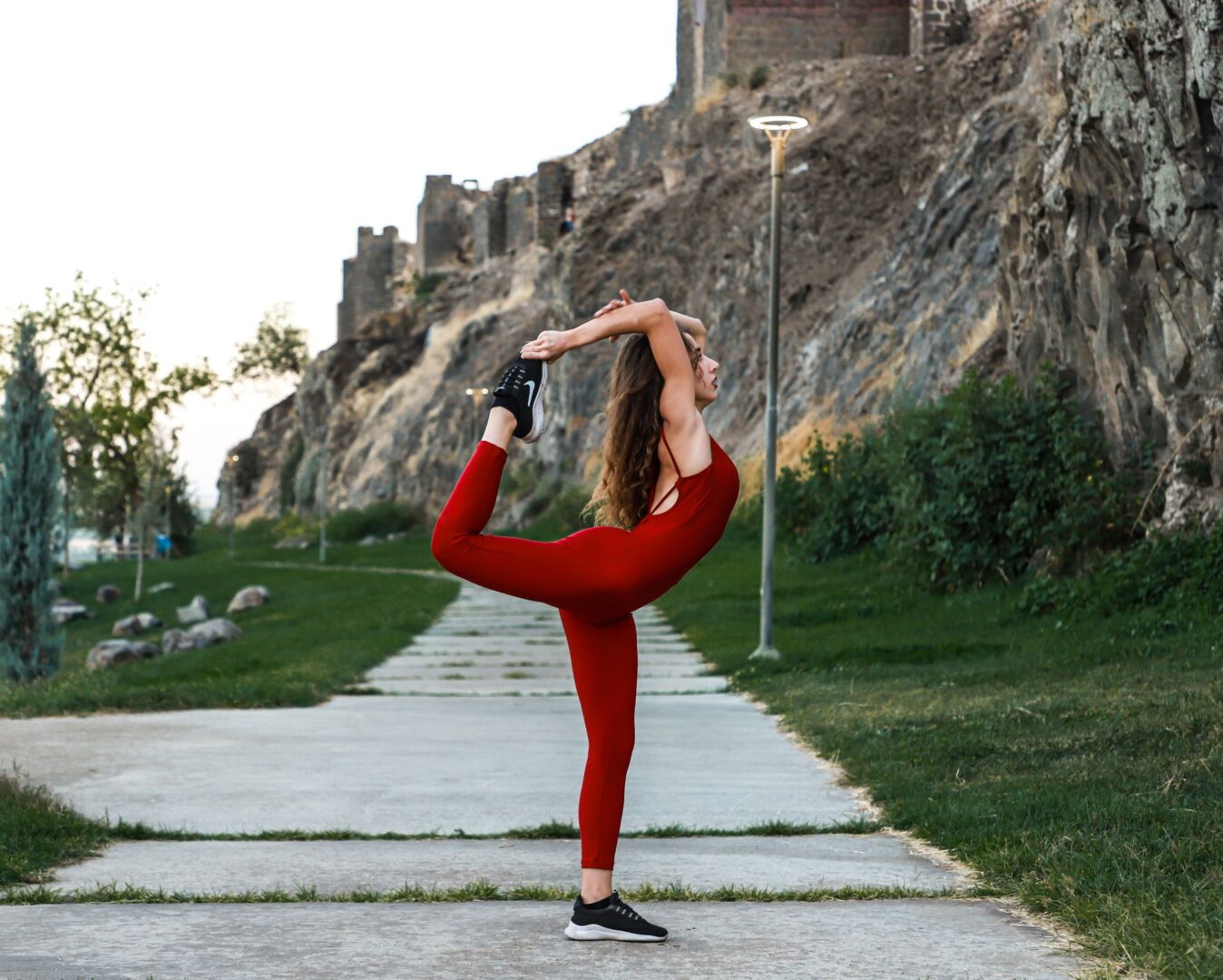
Mobility, Flexibility & Balance
06
Pillar 6 of 6
Stay steady, stay independent, keep training for decades.
Balance and mobility keep you steady on your feet and training for decades, and a simple balance test turns out to say a lot about long-term health.
23%
fewer falls in older adults on exercise programs that included balance and functional training, across 108 trials
Sherrington et al., Cochrane, 201984%
higher risk of death over about 7 years in adults aged 51 to 75 who couldn’t stand on one leg for 10 seconds
Araujo et al., Br J Sports Med, 20221 in 5
of those adults couldn’t hold the 10-second one-leg stand
Araujo et al., Br J Sports Med, 2022