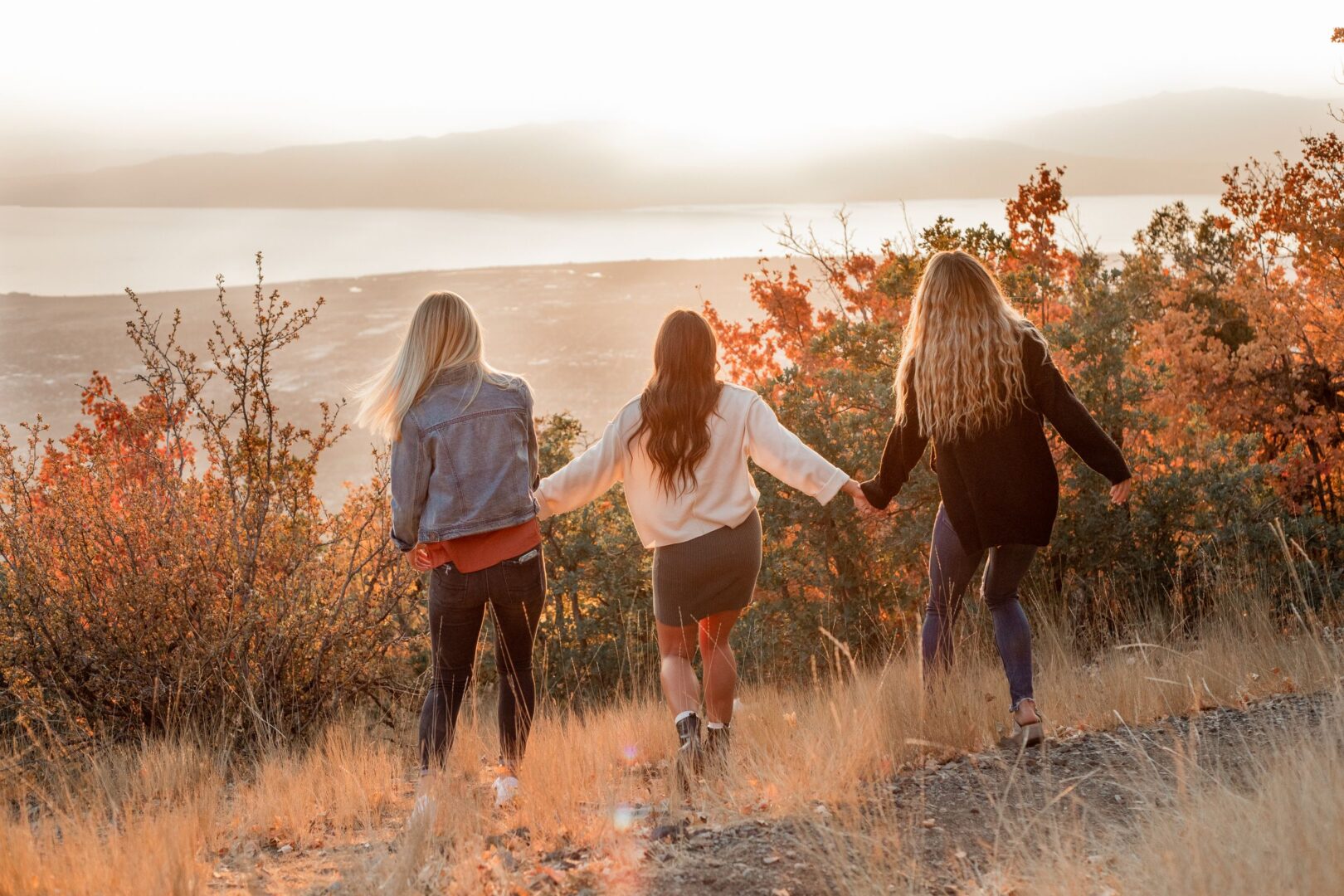
Pillar 3 of 6
Mind, Community & Daily Movement
Training is one hour of your day. This pillar is the other 23.
The other 23 hours
Training is one hour.
How you think, who you spend your time with and how much you move between workouts shape your health as much as the workout does. This pillar covers the rest of your day.
The habits come from the places on Earth where people stay strong, sharp and independent into their 90s, and each one lines up with large studies in groups of people.
Where the habits come from
Strong into their 90s
Five communities where people stay strong, sharp and independent into their 90s and beyond, plus two places that redesigned daily life on purpose. None of them chase health with willpower. Their days are set up so the healthy choice just happens.
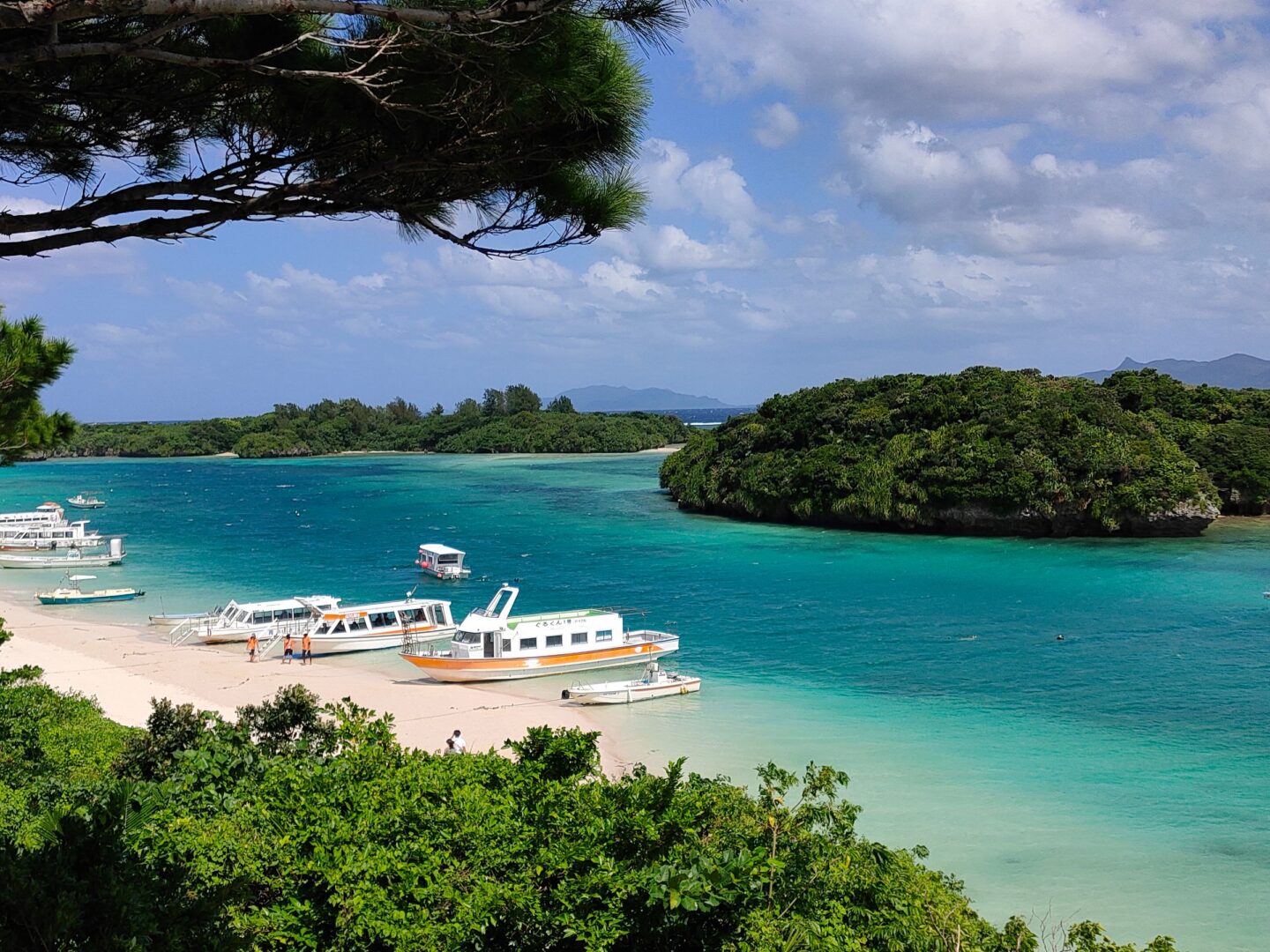
Okinawa, Japan
A reason to get up
Elders call it ikigai: a role they still fill in their 90s, like teaching, farming or caring for the youngest in the family.
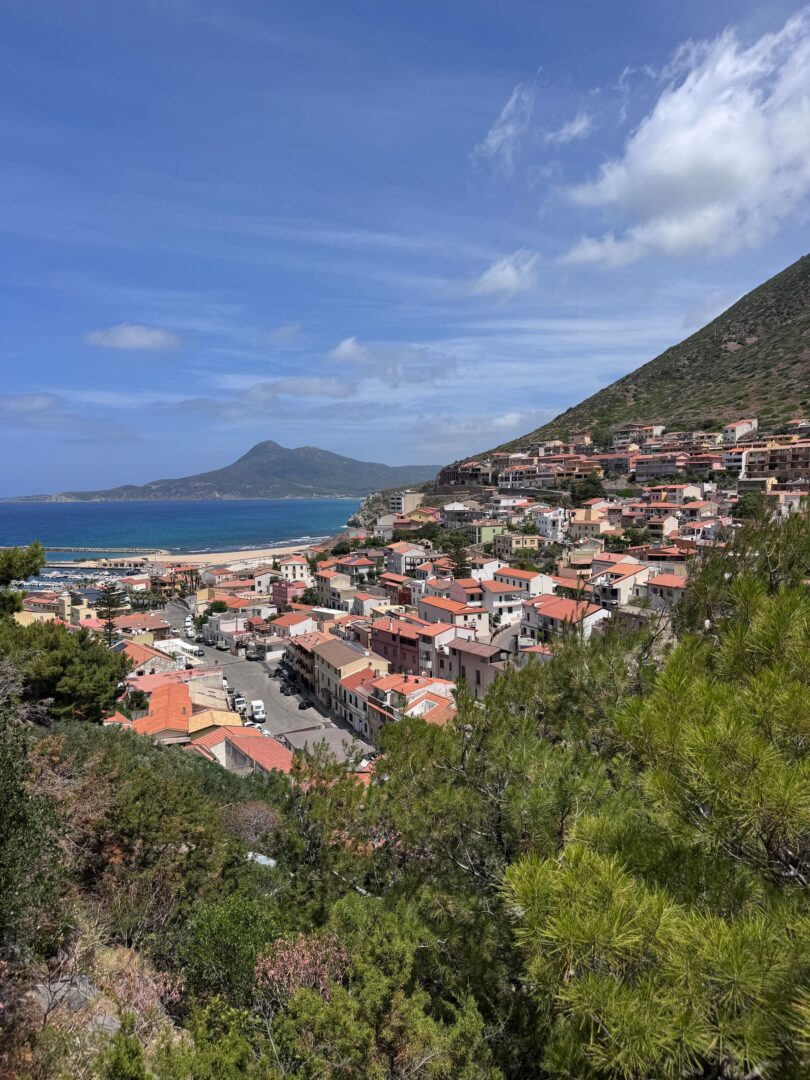
Sardinia, Italy
Hills, every day
Villages climb steep slopes. Where the most men reached 100, they walked farther to work, over steeper ground.
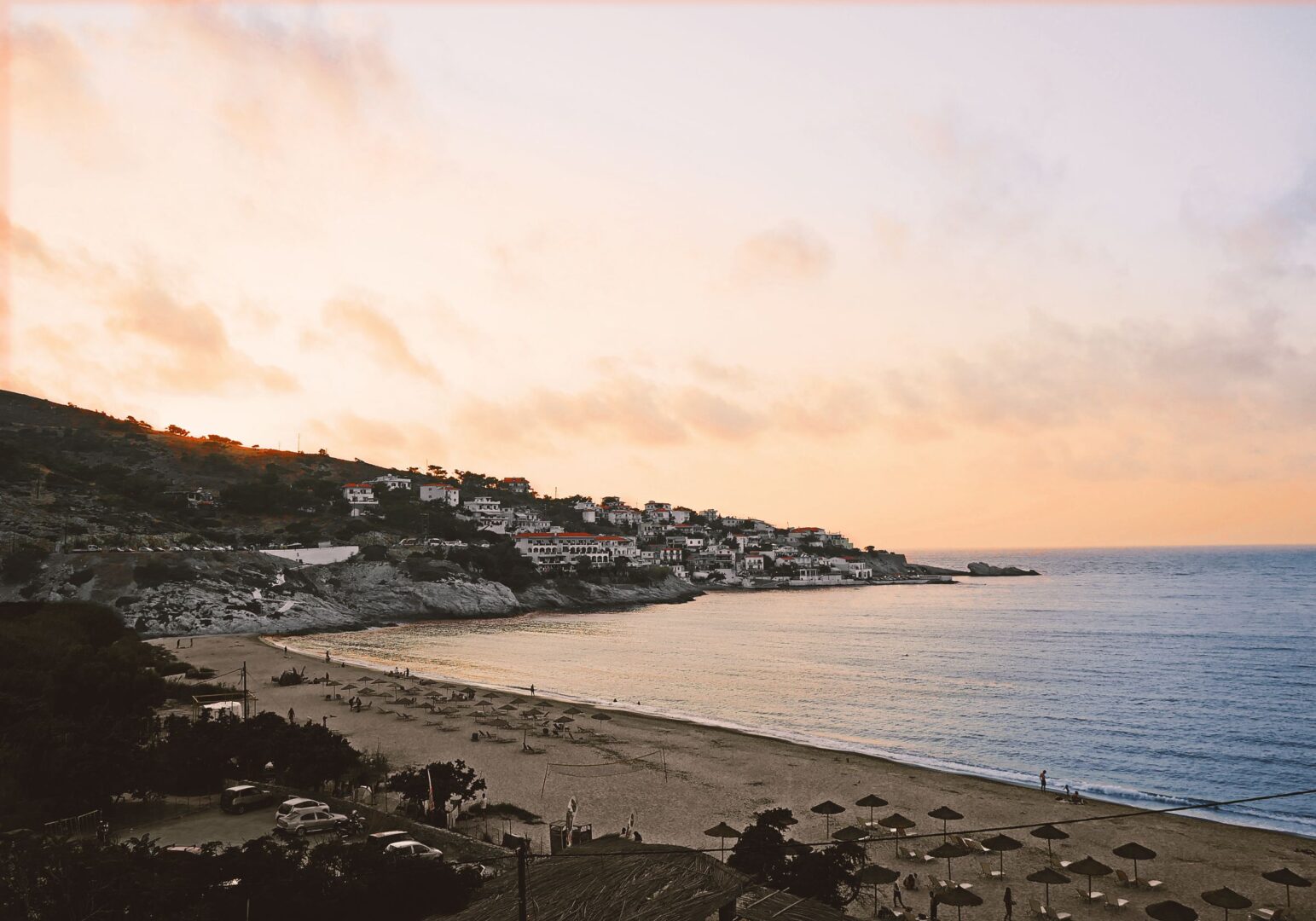
Ikaria, Greece
An unhurried pace
An afternoon nap, herbal tea with friends and a day that runs on daylight, not the clock.
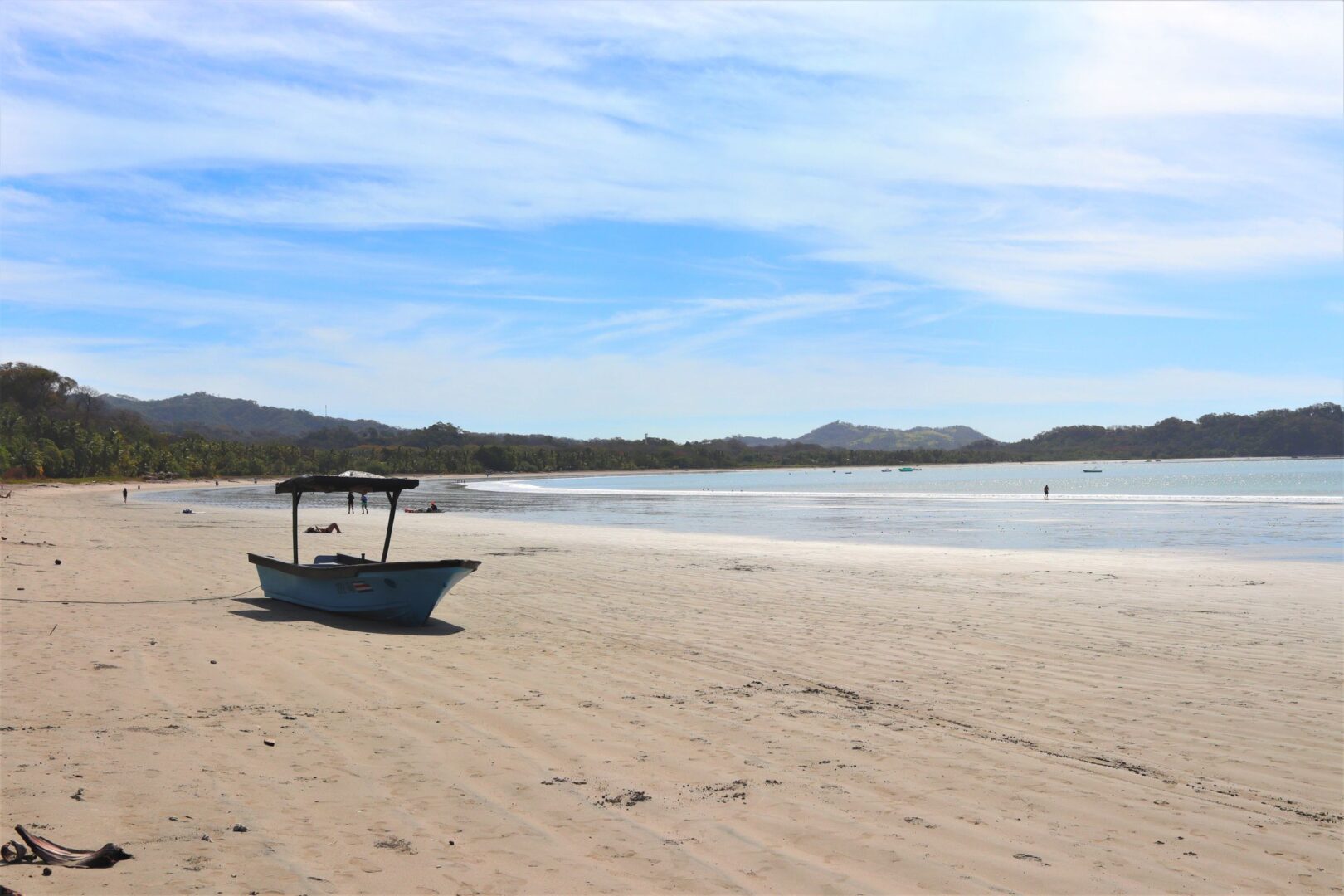
Nicoya, Costa Rica
A plan for life
Nicoyans call it plan de vida: a clear sense of purpose, usually rooted in family and faith.

Loma Linda, California
A weekly day of rest
A community that keeps a 24-hour rest day each week for family, faith and time in nature.

Singapore
Healthy by design
The city made walking, public transport and fresh food the easy choice, so healthy habits happen without extra effort.
Minnesota, USA
A town that walks together
A small Minnesota city added sidewalks, walking groups and community gardens, and neighbours started moving together.
Four habits
One pillar, four habits

Purpose & Outlook
A clear reason to get up, and a forward-looking mindset.
Downshift & Recovery
A daily ritual that switches off the stress response.
Connection & Community
The right circle, close bonds and a place to belong.
Daily Movement
Steady movement built into the whole day, on top of training.
01 · Purpose & Outlook
Know your why.
A woman who can say in one sentence why she gets up in the morning has something bigger than a number to train for. In large studies, people with a strong sense of purpose, and people with an optimistic outlook, lived longer.
Risk of death compared with people with a strong sense of purpose
The most optimistic women had 1.5 times the odds of living to 85 or beyond, compared with the least optimistic, in the Nurses’ Health Study. The researchers note optimism can be learned.
02 · Downshift & Recovery
Switch off, every day.
The long-lived communities aren’t stress-free. They just have a daily routine that turns stress off: an afternoon nap, tea with friends, time outdoors, a moment of prayer or gratitude, an evening social hour.
Recovery isn’t time off from the plan. It’s part of it.

The most stressed women had cells that looked at least a decade older than the least stressed. How stressed they felt mattered, not just their circumstances.
lower heart-disease death among adults who napped regularly, in 23,681 Greek adults. The researchers point to stress relief.
lower death rate among women with the most green space around their homes, in 108,630 women.
03 · Connection & Community
Your tribe is a habit.
The long-lived communities treat connection like a daily habit, not a nice extra: a small circle of friends for life, family first, and a place to show up every week.
higher odds of survival for people with strong social ties

Showing up every week
lower death risk over 16 years among women who attended religious services more than once a week, in 74,534 women. The lesson is belonging and showing up: faith is one way to belong.
Serving others
lower death risk among older adults who volunteered, after adjusting for their health.
Caring for others
Older adults in Berlin who helped care for grandchildren or supported people around them lived longer than those who helped no one.
More steps, lower risk
Risk of death by average daily steps, across 15 studies and 47,471 adults. The benefit levelled off around 6,000 to 8,000 steps a day for adults 60 and over, and 8,000 to 10,000 for younger adults.
One-minute bursts
lower death risk among people who did no formal exercise but had about three 1–2 minute bursts of vigorous everyday activity a day, like taking the stairs or hurrying uphill.
Up off the floor
better survival for each extra point on a test of sitting down to the floor and standing back up, in adults aged 51 to 80.
Brito et al., European Journal of Preventive Cardiology, 2014
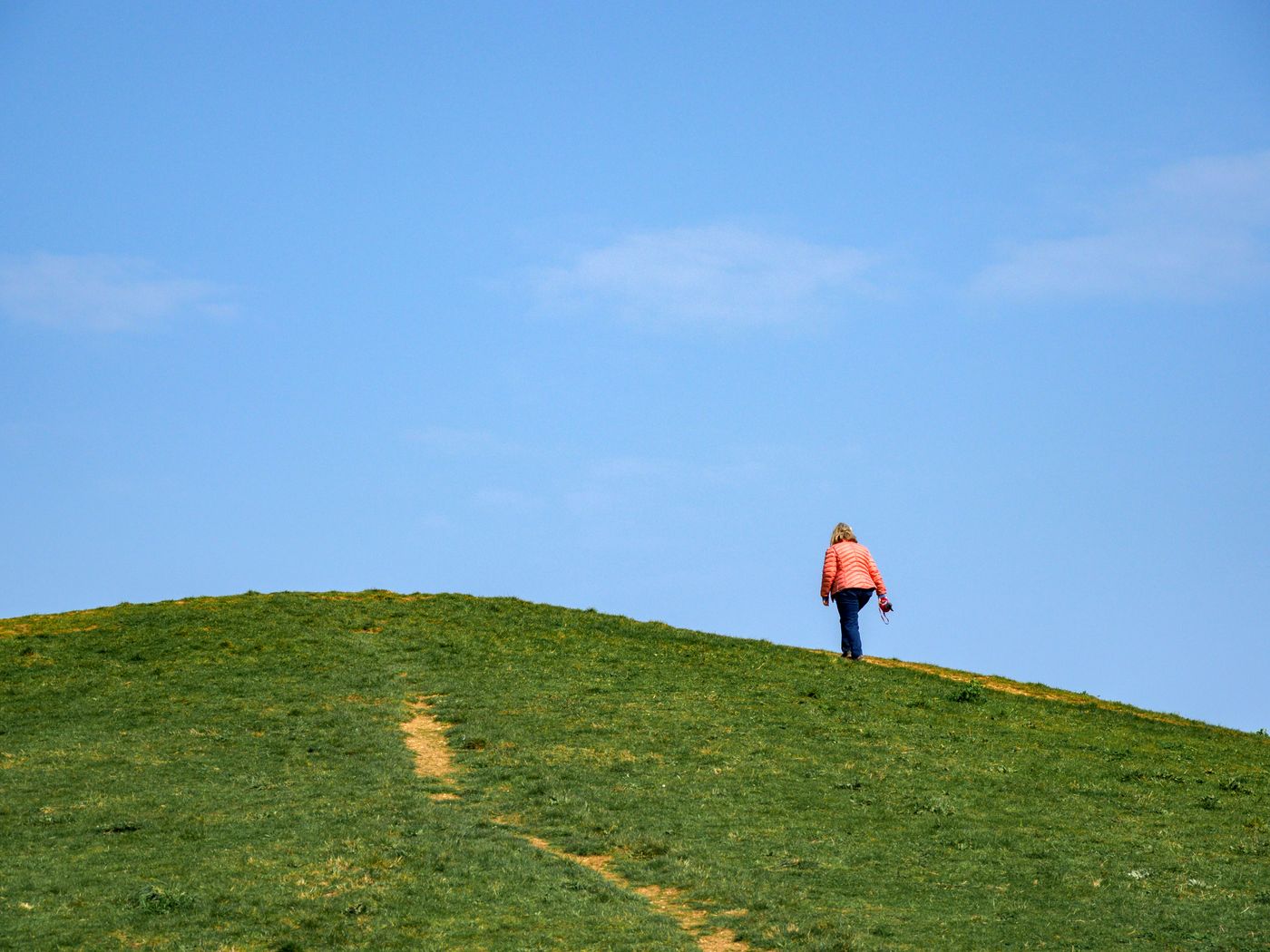
Steep ground
In Sardinia, the areas where the most men reached 100 were the ones with the steepest terrain and the longest daily walk to work.
Pes et al., Nutrition, Metabolism & Cardiovascular Diseases, 2013

Your next step
Your week, redesigned.
Training is where it starts. Our coaches help you build the other 23 hours around it: your why, your reset, your people and your steps.
Find a locationSources
The research
14 studies cited on this page
Sources
The research
14 studies cited on this page
Sense of life worth living (ikigai) and mortality in Japan: Ohsaki Study
Read the study →Association Between Life Purpose and Mortality Among US Adults Older Than 50 Years
Read the study →Optimism is associated with exceptional longevity in 2 epidemiologic cohorts of men and women
Read the study →Accelerated telomere shortening in response to life stress
Read the study →Siesta in healthy adults and coronary mortality in the general population
Read the study →Exposure to Greenness and Mortality in a Nationwide Prospective Cohort Study of Women
Read the study →Social relationships and mortality risk: a meta-analytic review
Read the study →Association of Religious Service Attendance With Mortality Among Women
Read the study →Volunteering by older adults and risk of mortality: a meta-analysis
Read the study →A prospective study of associations among helping, health, and longevity
Read the study →Daily steps and all-cause mortality: a meta-analysis of 15 international cohorts
Read the study →Association of wearable device-measured vigorous intermittent lifestyle physical activity with mortality
Read the study →Ability to sit and rise from the floor as a predictor of all-cause mortality
Read the study →Lifestyle and nutrition related to male longevity in Sardinia: an ecological study
Read the study →