Heart
0%
lower risk of heart disease and cardiovascular events with each 1-MET step up in fitness, across 33 studies of healthy men and women.
Kodama et al., JAMA, 2009
Pillar 1 of 6
The health number most women have never heard of.
Why it matters
Large clinical studies of tens of thousands of adults have found that a higher VO2 max is one of the strongest markers of lower risk for heart disease, metabolic decline and early death.
lower risk of heart disease and cardiovascular events with each 1-MET step up in fitness, across 33 studies of healthy men and women.
Kodama et al., JAMA, 2009lower risk of developing diabetes in patients who reached 12 METs or more than in those under 6 METs, in a study of 46,979 adults.
Juraschek et al., Diabetes Care, 2015the risk of death from any cause in the least-fit adults compared with the fittest, in a study of 122,007 adults followed for a median of 8.4 years.
Mandsager et al., JAMA Network Open, 2018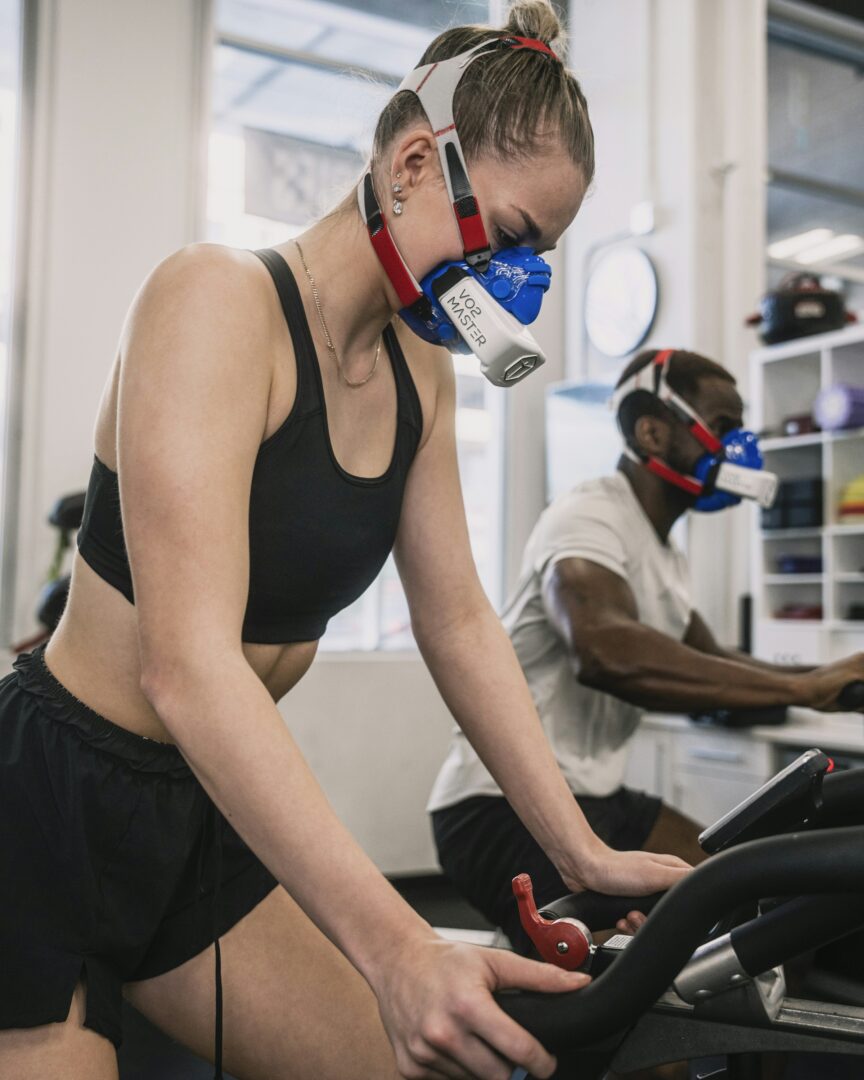
What it measures
VO2 max shows how well your lungs, heart and muscles work together to move oxygen and turn it into energy.
01 · Lungs
Your lungs pull oxygen from the air into your blood.
02 · Heart
Your heart sends that oxygen-rich blood out to your working muscles.
03 · Muscles
Your muscles use the oxygen to make the energy that keeps you moving.
How it’s measured
mL/kg/min
Millilitres of oxygen your body uses, for each kilogram of body weight, every minute, at your hardest effort.
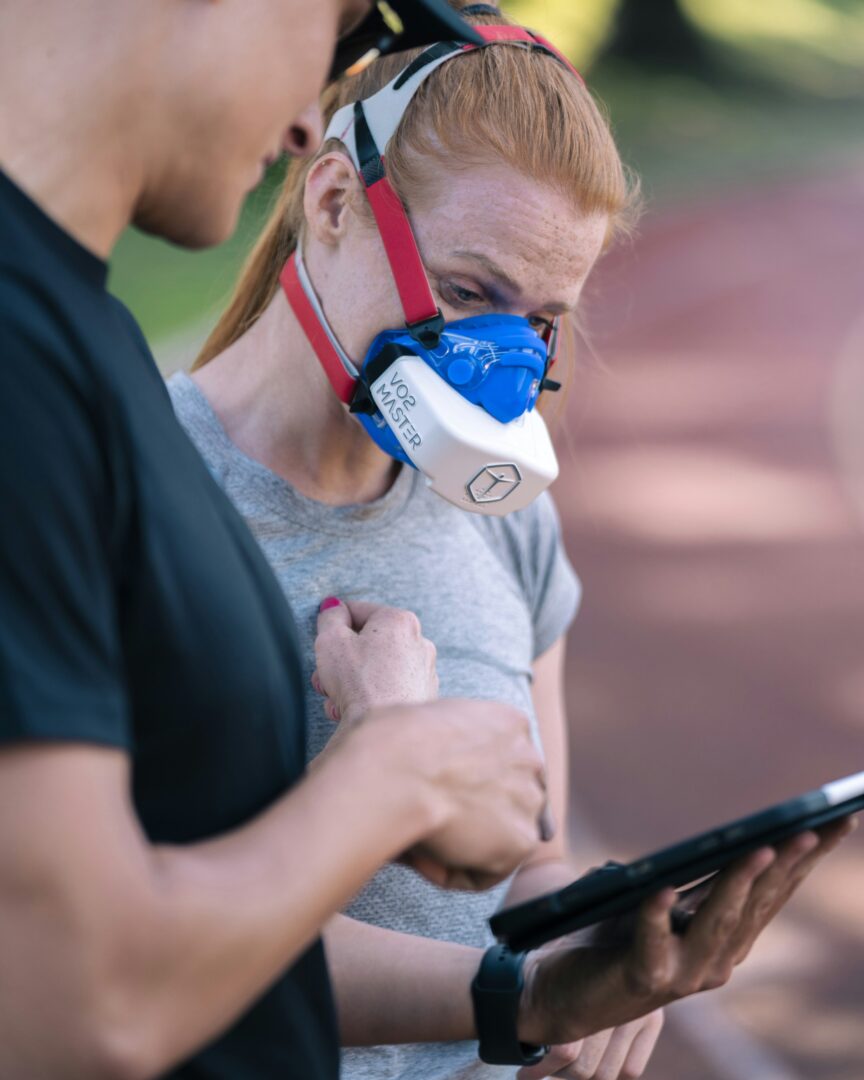
8.4 years
median follow-up
The Cleveland Clinic study
Between 1991 and 2014, Cleveland Clinic researchers measured the fitness of 122,007 adults on a treadmill, sorted them into five groups by age and sex, from low to elite, and followed them for a median of 8.4 years.
Low
Bottom 25%
Below average
25th to 49th percentile
Above average
50th to 74th percentile
High
75th to 97.6th percentile
Elite
Top 2.3%
the risk of death from any cause in the low group, compared with the elite group.
The elite group had lower risk than even the high group. The researchers observed no upper limit to the benefit of higher fitness.
In this study, low fitness was linked to a risk comparable to or greater than smoking, diabetes or coronary artery disease.
33 studies · 102,980 people
Fitness is often measured in METs. A review of 33 studies found that each 1-MET step up, about the same as running 1 km/h (0.6 mph) faster, was linked to lower risk.
lower risk of death from any cause with each 1-MET step
lower risk of heart disease and cardiovascular events with each 1-MET step
People with a capacity of 7.9 METs or more had substantially lower rates of both than people below it.
Source: Kodama et al., JAMA, 2009The research on women
Women have been underrepresented in heart research. The St James Women Take Heart Project measured the exercise capacity of 5,721 women with no heart symptoms, average age 52, and followed them from 1992 to 2000.
lower risk of death for every 1-MET increase in exercise capacity, after adjusting for other heart risk factors.
Under 5 METs
3.1x
5 to 8 METs
1.9x
Over 8 METs (the comparison group)
1x
Fitness and age
The Baltimore Longitudinal Study of Aging retested the peak VO2 of 375 women and 435 men, aged 21 to 87, over a median of 7.9 years. It fell in every age group, and the drop got faster with age.
In people’s 20s and 30s
3–6%
drop in peak VO2 per decade
From people’s 70s on
20%+
drop in peak VO2 per decade
From their 40s on, the drop each decade was larger in men than in women.
Source: Fleg et al., Circulation, 2005
American Heart Association, 2016
In a scientific statement, American Heart Association experts described fitness as a potentially stronger predictor of mortality than smoking, high blood pressure, high cholesterol and type 2 diabetes, and made the case for measuring it in everyday medical care, like a vital sign.
Source: Ross et al., Circulation, 2016Sources
6 studies cited on this page
Association of Cardiorespiratory Fitness With Long-term Mortality Among Adults Undergoing Exercise Treadmill Testing
Read the study →Cardiorespiratory Fitness as a Quantitative Predictor of All-Cause Mortality and Cardiovascular Events in Healthy Men and Women: A Meta-analysis
Read the study →Cardiorespiratory Fitness and Incident Diabetes: The FIT (Henry Ford ExercIse Testing) Project
Read the study →Exercise Capacity and the Risk of Death in Women: The St James Women Take Heart Project
Read the study →Accelerated Longitudinal Decline of Aerobic Capacity in Healthy Older Adults
Read the study →Importance of Assessing Cardiorespiratory Fitness in Clinical Practice: A Case for Fitness as a Clinical Vital Sign
Read the study →