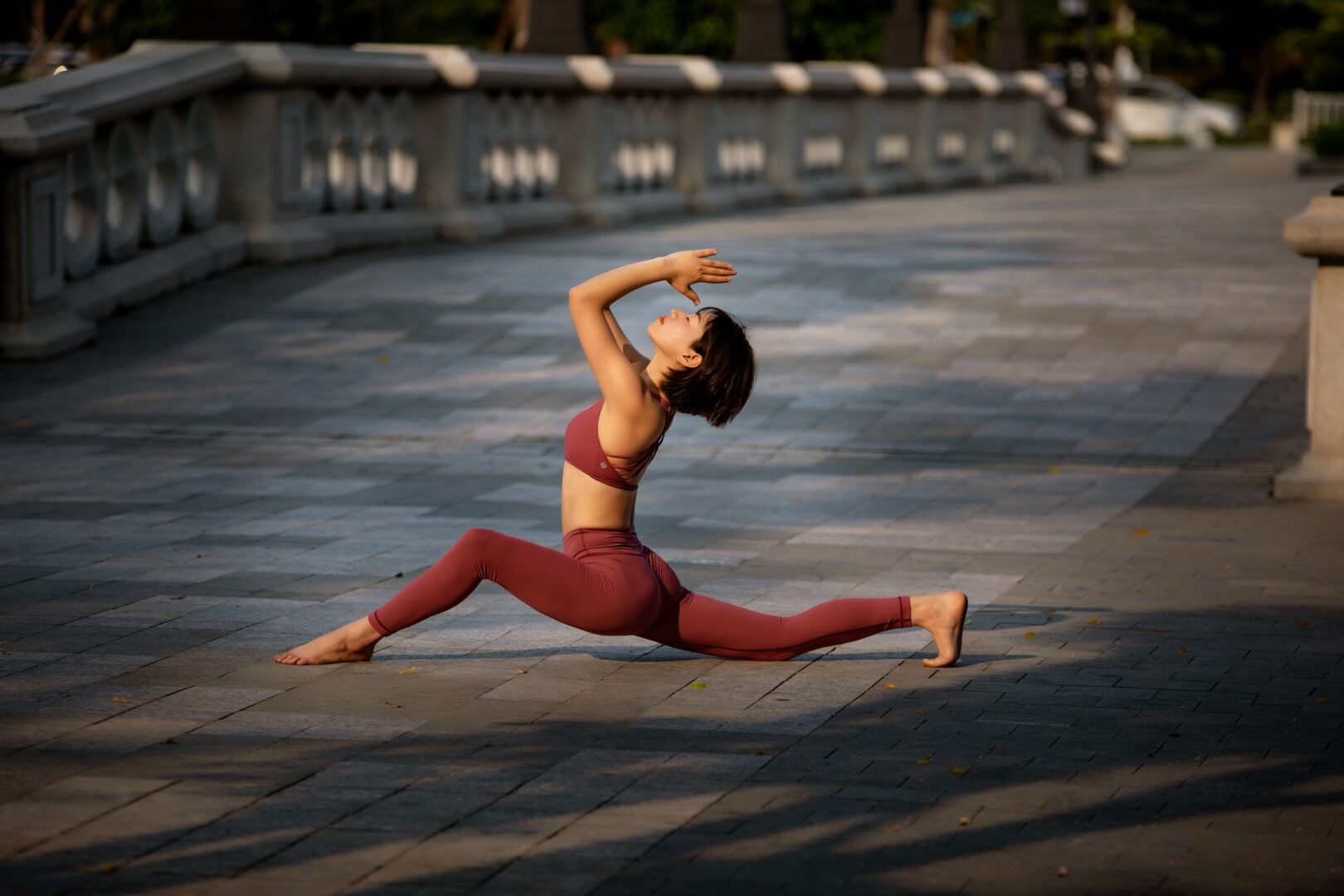
Pillar 6 of 6
Mobility, Flexibility & Balance
The fitness you don’t miss until it’s gone. Here’s why range and balance matter long before you notice them slipping.
Range of motion: use it or lose it
Why now
It starts sooner than you think.
Flexibility doesn’t vanish overnight. It slips a little every year, quietly, until one day the floor feels further away. Your 20s and 30s are the years to build the range you’ll want to keep.
average flexibility lost each year by women across 6,000 flexibility tests, ages 5 to 92. Men lost 0.8% a year.
Source: Medeiros et al., 2013
Your window. In the same study, the shift in women’s flexibility began around 40.
Women’s flexibility pattern starts to change. Shoulders and trunk lose the most.
Balance starts to diminish quickly, raising the risk of falls (Araújo et al., 2022).
The desk years
Your body is learning to sit.
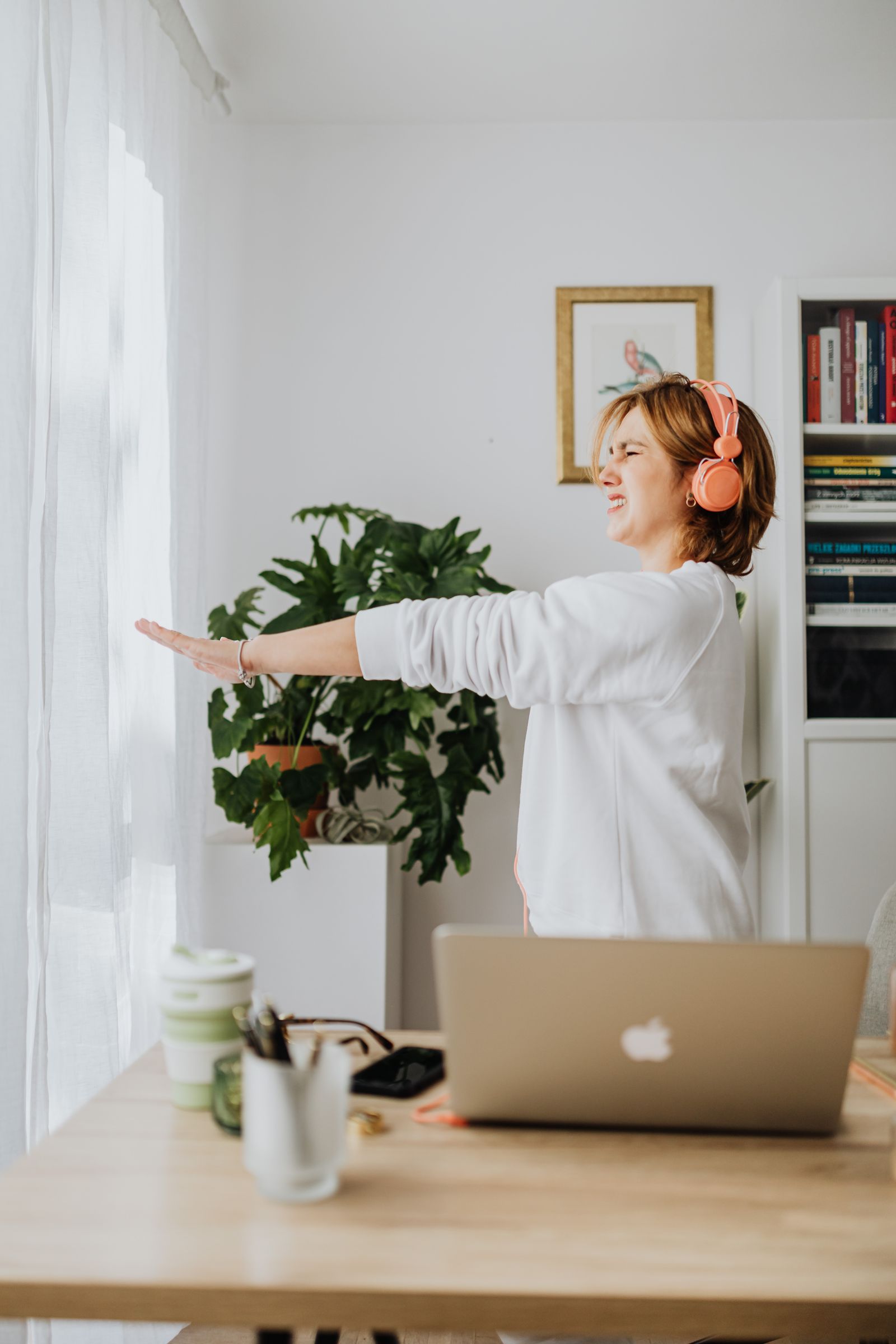
Commutes, laptops, couches, scrolling. Your body adapts to the shapes you spend your day in, and for most of us that shape is a chair. In a national US survey, the time adults spend sitting rose by a full hour in under a decade.
of sitting a day, out of about 16 waking hours
US adults sitting per day, 2007
US adults sitting per day, 2016
Source: Yang et al., JAMA, 2019, NHANES data on 31,898 adults.
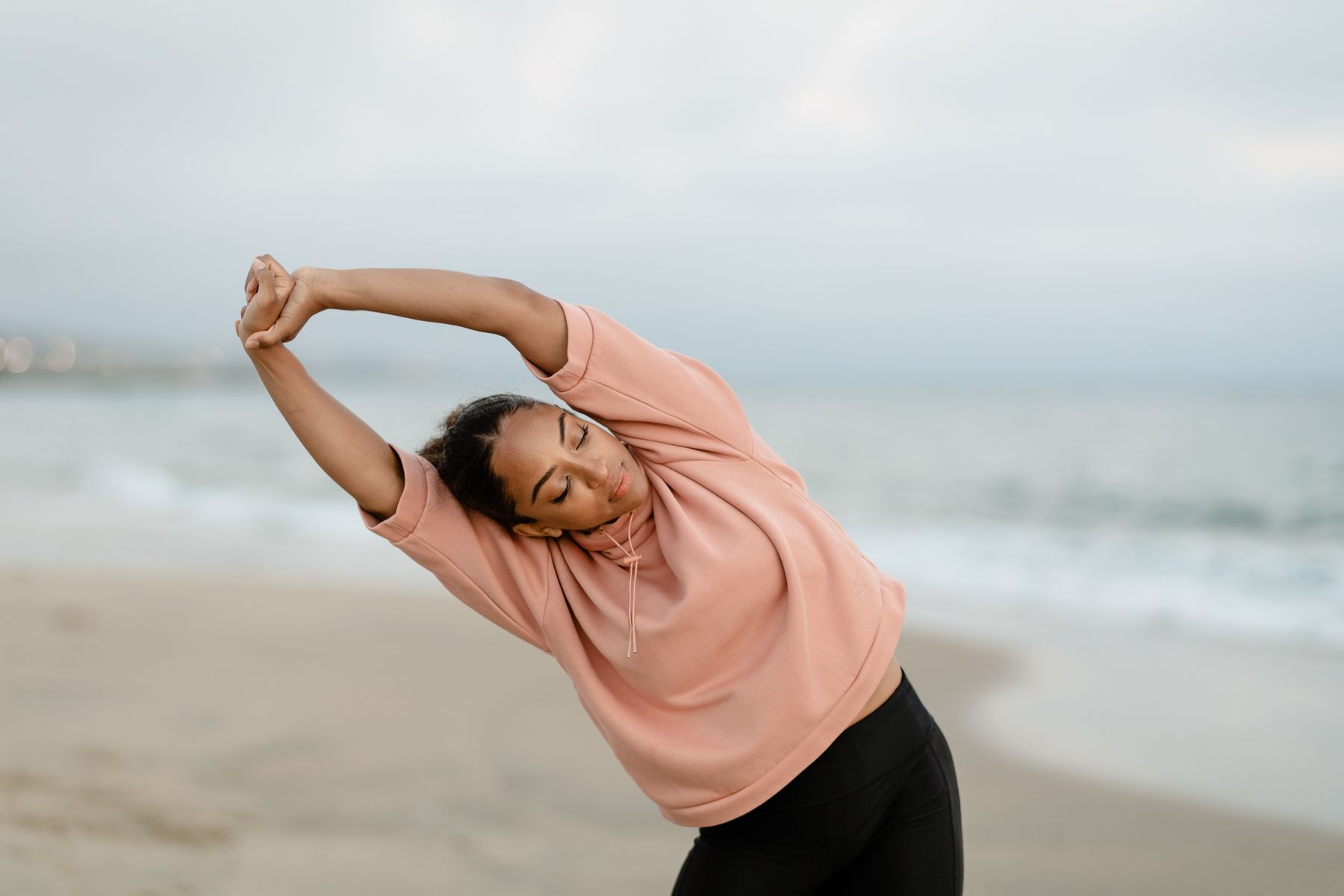
Beyond your muscles
Flexible body, flexible arteries?
Flexibility isn’t only about touching your toes. Researchers have found links between how flexible people are and how stiff their arteries are. Stiffer arteries are a known marker of heart strain as we age.
Artery stiffness by flexibility (lower is better)
Pulse wave velocity in cm/s, 526 adults, sit-and-reach test. Bars start at 1,000.
Ages 40 to 59
Ages 60 to 83
Ages 20 to 39: no difference yet. The gap showed up later in life. Source: Yamamoto et al., 2009
better artery function behind the knee after 12 weeks of leg stretching, in a small trial of 39 people. Arteries were also less stiff.
better artery function in the arms, which weren’t stretched at all, in the same trial. The effect reached beyond the stretched muscles.
The flexibility score
Seven joints. One score.
Researchers in Brazil scored 3,139 adults aged 46 to 65 on 20 movements across seven joints, then followed them for about 13 years. The less flexible people were, the higher their risk of dying during the study.
movements scored from 0 to 4, across shoulders, elbows, wrists, trunk, hips, knees and ankles.
higher flexibility scores in women than in men. Women had the edge, and the link with survival still held.
the risk of dying during the study for the least flexible women compared with the most flexible, after adjusting for age, weight and health. Few women died (78), so the true figure could be lower or higher (range 1.2x to 31.7x).
Source: Araújo et al., Scandinavian Journal of Medicine & Science in Sports, 2024. For men the figure was 1.9x.
The balance test
Ten seconds on one leg.
Can you stand on one leg for 10 seconds without holding on? In a study of 1,702 adults aged 51 to 75, that simple test said a lot about the years ahead.
Could hold it
died during the roughly 7 years of follow-up.
Couldn’t hold it
died in the same period. After adjusting for age, sex, weight and health, their risk was 84% higher.
Source: Araújo et al., British Journal of Sports Medicine, 2022
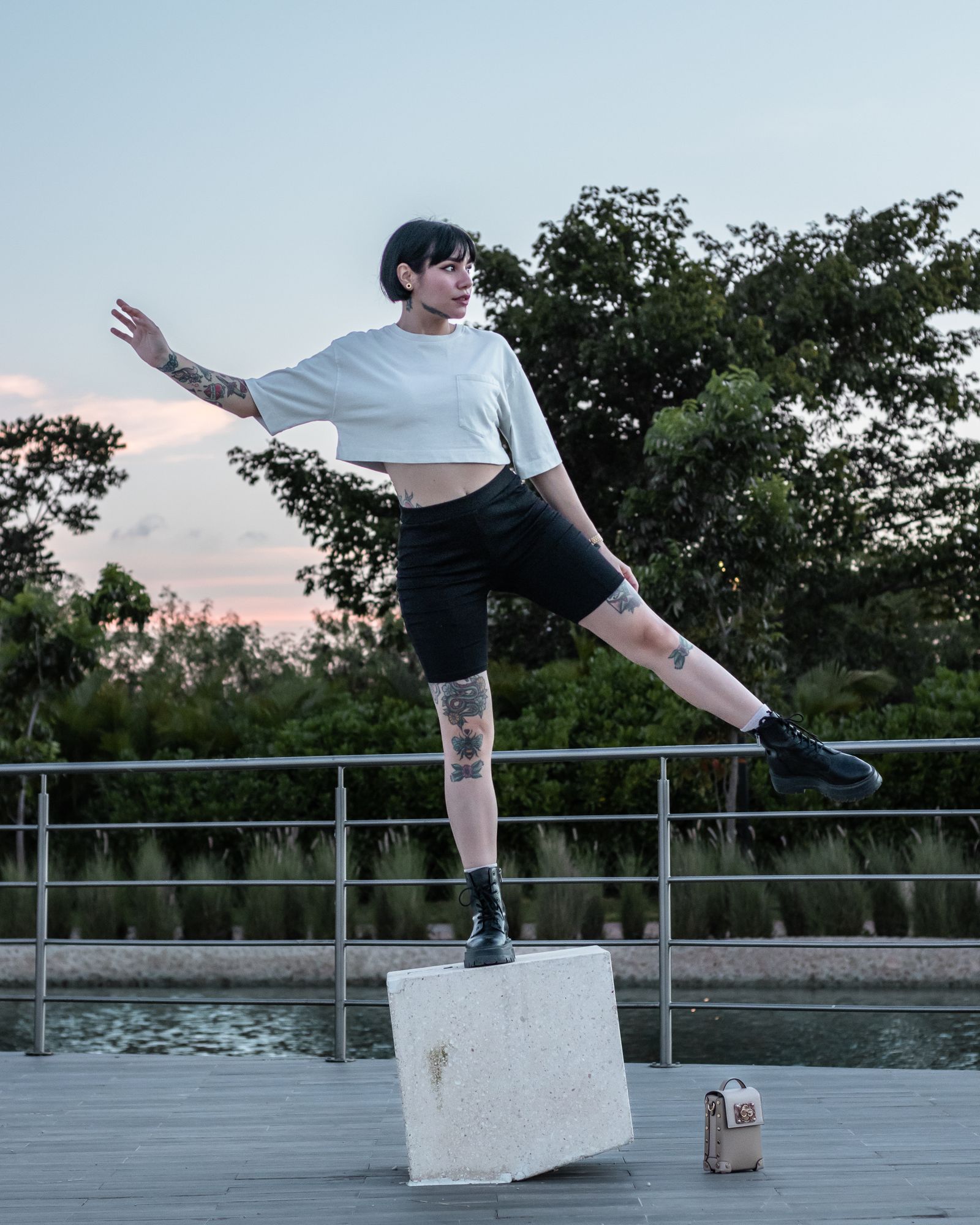

Built for women
Why women’s knees need balance.
Mud runs, pickup soccer, a jump off the last step. Women tear the ACL, the ligament that holds the knee steady, more often than men in many sports. The encouraging part: training that builds balance and control has been studied for years, and the results for women are strong.
ACL injuries per 10,000 training sessions or games
Pooled from studies of athletes, by sex and sport type
Contact sports
3x risk for womenGymnastics and obstacle-course races
5.5x risk for womenRisk ratios are weighted across studies. Source: Montalvo et al., Journal of Athletic Training, 2019
fewer non-contact ACL injuries in female athletes who did injury-prevention training programs, pooled across eight meta-analyses.
Planning a family?
Balance and the baby years.
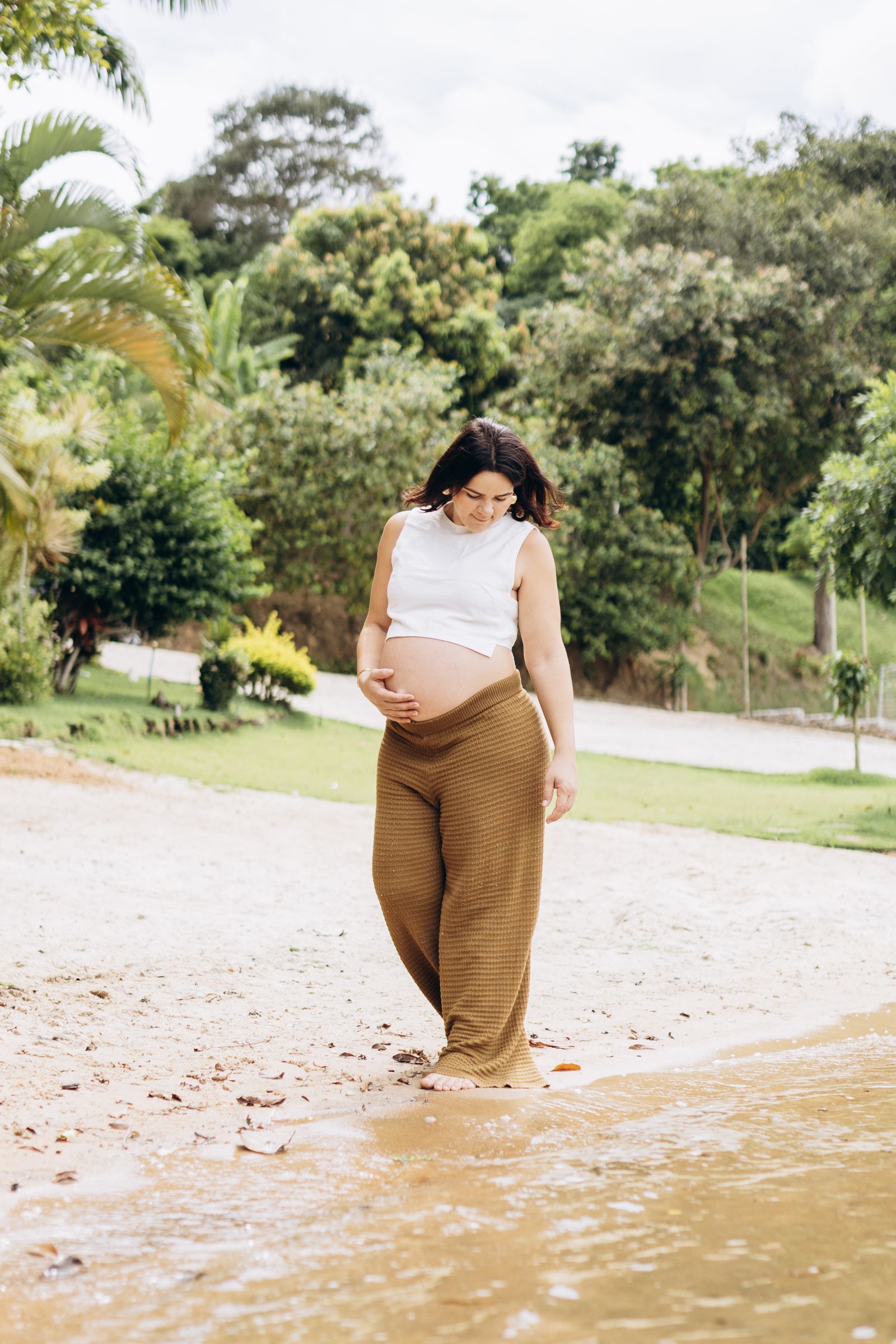
Pregnancy moves your center of gravity week by week, and your balance has to keep up. For many women in their 20s and 30s, this is the first time steadiness stops being automatic.
working women fell at least once during pregnancy (26.6% of 2,847 women surveyed).
Source: Dunning et al., American Journal of Industrial Medicine, 2003
The good news
Range comes back when you use it.
Flexibility and balance respond to practice at any age. The research on getting them back is some of the most consistent in exercise science.
studies, one answer
Across 77 studies, regular stretching increased range of motion. Women gained more than men.
of how well people moved
In 1,000 people aged 3 to 101, age, leg strength and joint flexibility together explained up to 63% of physical function in older adults.
fewer falls
Exercise that included balance and functional training cut the rate of falls in older adults by 24%, across 39 trials.
Your next step
Stay ready for anything.
Range, balance and steady knees, built into your week alongside women who show up for each other.
Find a locationSources
The research
12 studies cited on this page
Sources
The research
12 studies cited on this page
Age-related mobility loss is joint-specific: an analysis from 6,000 Flexitest results
Read the study →Trends in sedentary behavior among the US population, 2001-2016
Read the study →Poor trunk flexibility is associated with arterial stiffening
Read the study →Evidence for improved systemic and local vascular function after long-term passive static stretching training of the musculoskeletal system
Read the study →Reduced body flexibility is associated with poor survival in middle-aged men and women: a prospective cohort study
Read the study →Successful 10-second one-legged stance performance predicts survival in middle-aged and older individuals
Read the study →Anterior cruciate ligament injury risk in sport: a systematic review and meta-analysis of injury incidence by sex and sport classification
Read the study →Meta-analysis of meta-analyses of anterior cruciate ligament injury reduction training programs
Read the study →Falls in workers during pregnancy: risk factors, job hazards, and high risk occupations
Read the study →Chronic effects of stretching on range of motion with consideration of potential moderating variables: a systematic review with meta-analysis
Read the study →Reference values for developing responsive functional outcome measures across the lifespan
Read the study →Exercise for preventing falls in older people living in the community
Read the study →