Introduction
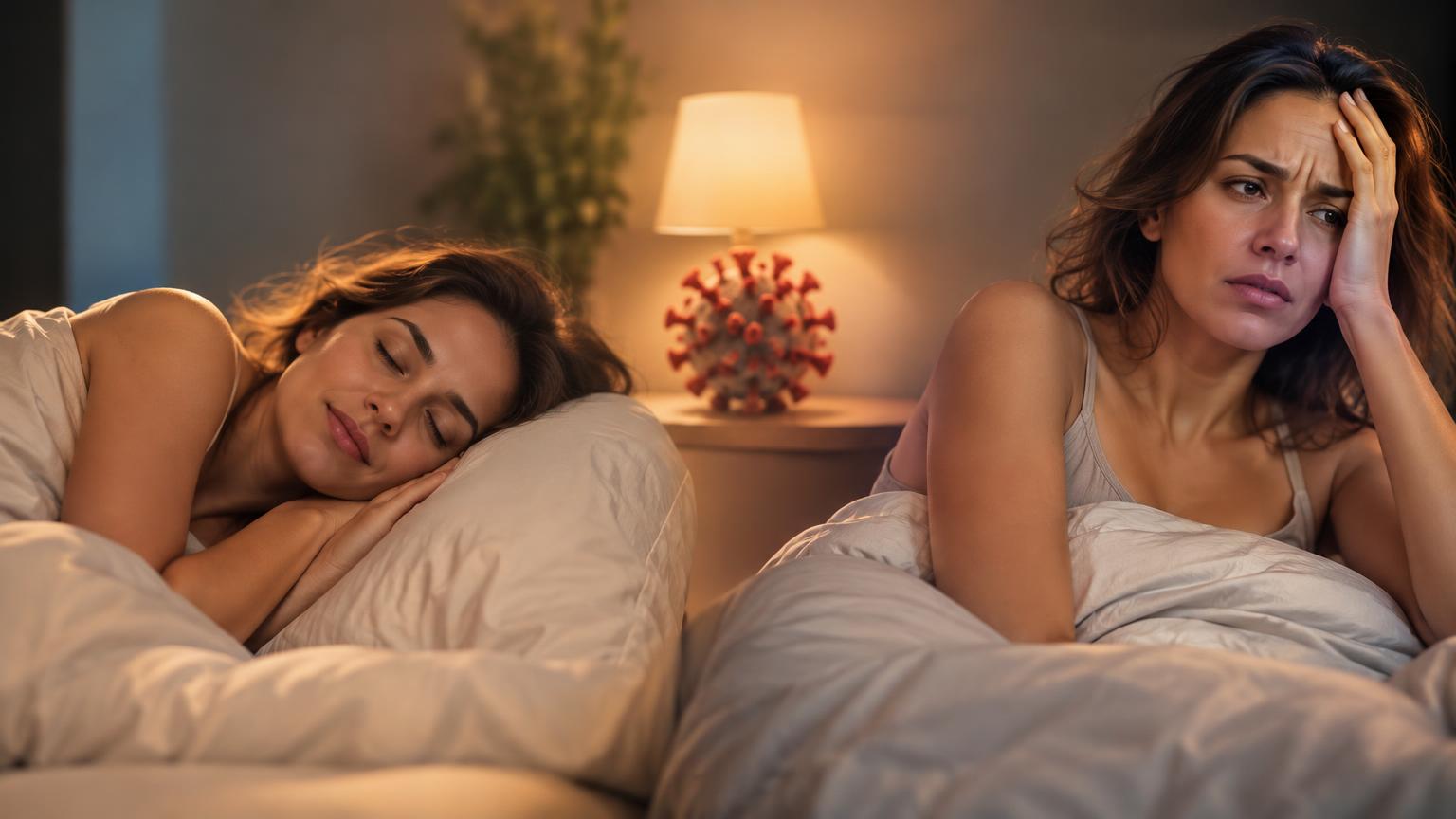
When the COVID-19 pandemic swept across the globe, public health officials focused on infection rates, vaccination campaigns, and economic relief. Yet an equally critical, though less visible, health crisis unfolded in the bedrooms of millions: a sharp rise in poor sleep quality. A large‑scale epidemiological survey conducted across Serbia and the Republic of Srpska within Bosnia and Herzegovina documented that the proportion of individuals reporting poor sleep quality more than doubled, climbing from 4.5 percent before the pandemic to 9.4 percent during its height (1) (2). While the average night‑time sleep duration remained relatively stable, the subjective experience of sleep deteriorated, signaling that factors beyond sheer hours—such as stress, disrupted routines, and altered sleep architecture—were at play.
Women, in particular, faced a confluence of stressors that amplified sleep disturbances. The pandemic intensified caregiving responsibilities, heightened financial insecurity, and forced many into shift work or remote work schedules that blurred the line between day and night. Research consistently links elevated stress levels to poorer sleep outcomes, and the Balkan study confirmed that individuals with higher COVID‑related stress scores were more likely to report both increased sleep frequency (including daytime napping) and poor sleep quality (1). These findings underscore sleep as a sensitive barometer of mental health during crises.
The implications extend beyond nightly rest. Chronic poor sleep is associated with a cascade of health risks, including impaired immune function, metabolic dysregulation, mood disorders, and reduced cognitive performance. For women, these risks intersect with hormonal cycles, reproductive health, and higher prevalence of anxiety and depression, making sleep quality a pivotal component of overall resilience. Understanding the mechanisms behind the observed sleep decline, identifying vulnerable subgroups, and translating research into actionable strategies are essential steps for public health and individual well‑being.
This article delves into the scientific evidence from the Balkan survey and related studies, examines why women may be disproportionately affected, and offers evidence‑based recommendations for improving sleep hygiene during ongoing or future public health emergencies. By grounding the discussion in peer‑reviewed data, we aim to provide a clear, factual roadmap that empowers women to protect their sleep health amid uncertainty.
Sleep Quality Trends During the Pandemic
Doubling of Poor Sleep Prevalence
The most striking statistic from the Balkan survey is the near‑doubling of poor sleep quality prevalence, from 4.5 % pre‑pandemic to 9.4 % during the crisis (1) (2). This increase was observed despite the average reported sleep duration staying around seven hours, indicating that subjective sleep satisfaction deteriorated independently of total sleep time.
Stability of Sleep Duration
Across the third and fourth epidemic waves, the majority of participants reported no significant change in nightly sleep length, with bedtime patterns remaining largely unchanged (approximately 13‑14 % reporting post‑midnight bedtimes both before and during the pandemic) (2). This stability suggests that external constraints—such as lockdowns—did not force people to sleep less, but rather altered the quality of the sleep they obtained.
Daytime Napping and Sleep Frequency
About one in ten respondents indicated they were sleeping more often, often through daytime naps, compared with their pre‑pandemic routines (2). While napping can be a compensatory response to nighttime fragmentation, the study found that increased sleep frequency was an independent predictor of heightened COVID‑related distress, even after adjusting for demographic and health variables (1). This paradox highlights that more sleep does not automatically equate to better restorative outcomes when stress is pervasive.
Why Women Are Particularly Vulnerable
Heightened Caregiving Burdens
During lockdowns, many women assumed additional caregiving duties, ranging from homeschooling children to caring for elderly relatives. These responsibilities often disrupted regular sleep schedules, leading to fragmented or delayed sleep onset. Although the Balkan study did not isolate gender‑specific data, broader literature consistently shows that women report higher levels of pandemic‑related stress, which correlates with poorer sleep quality.
Socio‑economic Instability
Financial loss and job insecurity disproportionately affected women in sectors such as retail, hospitality, and part‑time work. The Balkan researchers highlighted socioeconomic instability as a key factor that should be prioritized in future public health strategies (1). Economic anxiety is a well‑documented driver of rumination at night, which can prolong sleep latency and reduce deep sleep stages.
Shift Work and Social Jetlag
Shift workers, a subgroup identified by the study as especially at risk, experience misalignment between their internal circadian rhythms and external work schedules. Women in shift work reported greater sleep disturbances, likely due to compounded stress and hormonal fluctuations that affect circadian regulation. The study’s multivariable regression model confirmed that poor sleep quality remained a significant predictor of viral distress even after controlling for shift work status (1).
Mechanisms Linking Stress and Sleep Disturbance
Physiological Stress Pathways
Elevated stress activates the hypothalamic‑pituitary‑adrenal (HPA) axis, increasing cortisol levels that can interfere with the onset of slow‑wave sleep. The Balkan survey demonstrated a strong association between higher COVID Stress Scale scores and both poor sleep quality and increased sleep frequency (1). This suggests that stress not only disrupts sleep perception but also alters underlying sleep architecture.
Screen Time and Social Jetlag
Lockdowns forced many activities online, extending screen exposure into evening hours. Blue light suppresses melatonin production, delaying circadian phase and making it harder to fall asleep. The researchers noted that prolonged indoor screen use and social jetlag—misalignment between biological and social clocks—were key contributors to impaired psychological coping and sleep quality (1).
Psychological Coping and Rumination
When individuals experience heightened anxiety or depression, they are more likely to engage in nocturnal rumination, a mental process that prolongs sleep latency and reduces sleep efficiency. Although the Balkan study focused on stress scales, its findings align with global surveys linking pandemic‑related anxiety to poor sleep outcomes, reinforcing the bidirectional relationship between mental health and sleep (3).
Practical Strategies for Women to Protect Sleep
Establish Consistent Sleep‑Wake Times
Even when daily routines shift, maintaining a regular bedtime and wake‑time anchors the circadian system. Women should aim for a consistent schedule, limiting variations to less than 30 minutes on weekends.
Limit Evening Screen Exposure
Implement a digital curfew at least one hour before bedtime. Use blue‑light‑filtering glasses or apps if screen use is unavoidable. This reduces melatonin suppression and facilitates quicker sleep onset.
Create a Sleep‑Friendly Environment
Optimize bedroom conditions: cool temperature (≈18‑20 °C), darkness, and minimal noise. Investing in blackout curtains or white‑noise machines can mitigate external disruptions that exacerbate stress‑induced awakenings.
Incorporate Stress‑Reduction Techniques
Mindfulness meditation, progressive muscle relaxation, or gentle yoga performed before bed can lower cortisol levels and calm the nervous system. Short, structured breathing exercises have been shown to improve sleep latency in stressed populations.
Address Daytime Napping Wisely
If napping is necessary, limit it to 20‑30 minutes and avoid late‑day naps, which can interfere with nighttime sleep pressure. This balances the need for restorative rest without compromising nocturnal sleep quality.
Seek Targeted Support for Vulnerable Subgroups
Shift workers should consider strategic light exposure—bright light in the early part of their shift and dim lighting toward the end—to help realign circadian rhythms. Women experiencing financial strain may benefit from counseling services that address both economic stress and sleep hygiene.
Conclusion
The pandemic’s impact on sleep quality, particularly the doubling of poor sleep prevalence in the Balkan region, underscores sleep as a vital indicator of population resilience. For women, the convergence of heightened caregiving duties, socioeconomic pressures, and potential shift‑work schedules created a perfect storm that amplified stress‑related sleep disturbances. The research demonstrates that poor sleep quality and increased sleep frequency are not merely symptoms but independent predictors of heightened COVID‑related distress, even after accounting for age, gender, education, chronic health conditions, and other variables (1).
These findings carry several actionable messages. First, public health responses must integrate sleep hygiene education as a core component of crisis communication, targeting vulnerable groups such as shift workers, isolated individuals, and those facing financial instability. Second, women should prioritize consistent sleep‑wake routines, limit evening screen time, and employ stress‑reduction practices to mitigate the physiological effects of chronic stress on sleep architecture. Third, healthcare providers should screen for sleep quality during routine visits, especially when patients report elevated stress or anxiety, and refer to behavioral sleep interventions when appropriate.
By translating epidemiological data into concrete, evidence‑based recommendations, we can empower women to safeguard their sleep health amid ongoing uncertainties. Protecting sleep is not a luxury; it is a foundational element of mental, emotional, and physical well‑being that bolsters resilience against current and future public health challenges.
Frequently Asked Questions
Why did poor sleep quality double while total sleep time stayed the same?
The Balkan study found that although average night‑time sleep duration remained around seven hours, the subjective experience of sleep worsened, likely due to increased stress, screen exposure, and disrupted routines that affect sleep depth and continuity (1) (2).
What specific stressors contributed most to sleep problems for women?
Women faced amplified caregiving responsibilities, financial insecurity, and shift‑work schedules, all of which heighten anxiety and cortisol levels, leading to poorer sleep quality as documented in the pandemic stress‑sleep relationship (1) (3).
How can daytime napping affect nighttime sleep during a crisis?
While napping can compensate for nighttime fragmentation, the study showed that increased sleep frequency was an independent predictor of higher COVID‑related distress, suggesting that excessive or poorly timed naps may disrupt sleep pressure and worsen overall sleep quality (1).
Sources
Source Links
- Poor Sleep Quality Doubled and Linked to Pandemic Stress in Balkan Study
- Sleep patterns during the pandemic and covid-related stress: a large-scale study in the general population of Serbia and Republic of Srpska (Bosnia and Herzegovina) | Population Health Metrics | Springer Nature Link
- Survey Finds Pandemic-Related Stress and Anxiety Most Cited Reasons for Poor Sleep Quality | AJMC
- Sleep quality and patterns of young West Balkan adults during the third wave of COVID-19 pandemic: a cross-sectional study
- The Effect of Stress Perceived by Adults Due to the COVID-19 Pandemic on Their Sleep Quality – Journal of Turkish Sleep Medicine